

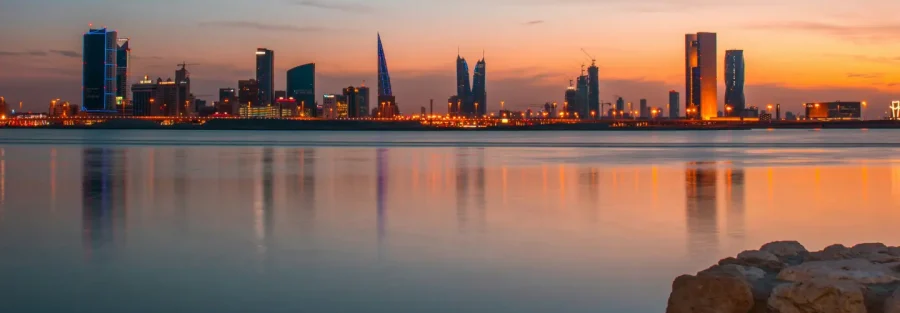
Bahrain is a small island, but sometimes it feels like four different countries packed into one. On one side, there are luxury towers, private beaches, sports cars, and fancy cafés where people spend more on coffee than others spend on lunch for a week. On another side, there are crowded apartments, labor buses at sunrise, and workers standing under burning heat while building the same shiny skyline everyone posts online.
People complain about this all the time. They say Bahrain has “parallel societies.” Rich Bahrainis, Western professionals, middle-class expats, and low-paid migrant workers all live on the same island, yet experience completely different worlds. It sounds unfair, dramatic, and maybe even a little crazy. But somehow, this strange system also creates the unique energy that makes Bahrain impossible to ignore.
The island can frustrate you and impress you at the same time.
Luxury and Struggle Exist Only Minutes Apart
The strange thing about Bahrain is how close everything feels. In bigger countries, rich and poor areas can be separated by hours of driving. In Bahrain, they can be separated by one traffic light.
You can drive past giant villas with palm trees and luxury cars parked outside, then suddenly enter neighborhoods where workers share tiny apartments just to survive. One side of the road smells like expensive perfume and fresh coffee from stylish cafés. The other side smells like dust, traffic, and hard labor under brutal heat.
Bahrain Never Fully Hides Its Class Divide
Visitors notice this contrast immediately. Bahrain has the shiny image of a modern Gulf country filled with glass towers and luxury malls, but behind those buildings is another world quietly holding everything together. The island feels like two completely different realities forced to live side by side.
Some people hate this because it constantly reminds them of inequality. Others secretly admire Bahrain for being honest about it. The country never fully hides its class differences. Everything stays visible.
Bahrain’s Obsession With Looking Rich
Bahrain cares deeply about appearances. Cars, clothes, watches, restaurants, and even social media posts can become symbols of status. Sometimes it feels like everyone is trying to prove they are successful, even if they are struggling privately.
Critics say this creates a culture of showing off. A luxury car becomes more than transportation. It becomes power. Restaurants become social stages where people compete through expensive dinners and perfect Instagram photos.
Fake Luxury Somehow Creates Real Energy
Even teenagers sometimes act like businessmen because the culture rewards confidence and image. Yet this same obsession also gives Bahrain its exciting atmosphere. At night, the island feels alive. The streets glow with lights from towers and cafés. Valet lines fill with sports cars.
People dress like they are attending a celebrity event even when they are only going out for shawarma. It can feel fake and exhausting, but also strangely addictive. Bahrain acts bigger, richer, and more powerful than its small size should allow.
The Workers Who Built the Country Often Remain Invisible
Bahrain’s modern skyline did not appear magically. The roads, towers, malls, hotels, and offices were built by migrant workers from countries like India, Pakistan, Bangladesh, Nepal, and the Philippines. Every day before sunrise, buses carry workers across the island while most residents are still asleep.
These workers stand for hours under extreme heat, clean buildings, carry heavy materials, and send money home to families thousands of miles away. Some spend years separated from their children just to support them financially.
Bahrain’s Luxury Lifestyle Depends on Invisible Labor
Without this workforce, much of Bahrain’s comfortable lifestyle would collapse within days. This creates one of the island’s biggest controversies. People criticize Bahrain and the Gulf for depending heavily on low-paid labor while treating workers as background objects instead of human beings.
At the same time, Bahrain also gives opportunities many workers could never find in their home countries. For some families abroad, a job in Bahrain means education, medicine, food, or a future that once seemed impossible. That is what makes the situation complicated. Bahrain can be unfair and life-changing at the same time.
Different Passports, Different Lives
Another controversial topic is how nationality affects social status. Many residents quietly believe that some passports are treated better than others.
A Western professional may receive a high salary, free housing, healthcare, and social respect, while another expat from South Asia may work longer hours for far less money.
Bahrain Treats Some Nationalities Like VIPs
People notice how accents, skin color, and nationality can sometimes influence opportunity, even when nobody openly discusses it. This creates resentment because everyone sees the difference. On the same island, two people can have completely different lives simply because of where they were born.
But strangely, this mix of cultures is also one of Bahrain’s greatest strengths. The island feels incredibly international. In one shopping mall, you can hear Arabic, English, Hindi, Urdu, and Tagalog within a few minutes.
A Country That Cannot Hide Its Inequality
One of the wildest things about Bahrain is how different worlds cross paths every single day. A teenager driving a luxury SUV can stop beside a labor bus filled with exhausted workers. A millionaire and a delivery rider might order coffee from the same café.
A businessman wearing a designer suit might walk past a cleaner earning in one month what he spends on dinner in one night. Because Bahrain is so small, separation becomes impossible.
Bahrain Feels Real Because the Contrast Is Always Visible
In many countries, inequality hides behind distance. Bahrain places it directly in front of you. Some people find this uncomfortable and frustrating. Others think it keeps the island real. Bahrain never becomes fully artificial because reality keeps breaking through the luxury image.
That is why people have such strong opinions about the country. Bahrain can feel unequal, class-obsessed, and exhausting. But it can also feel ambitious, exciting, and alive in a way that larger countries sometimes lose.
In the end, Bahrain is like a shiny sports car covered in scratches. People complain about the flaws constantly, yet they still cannot stop staring at it.