
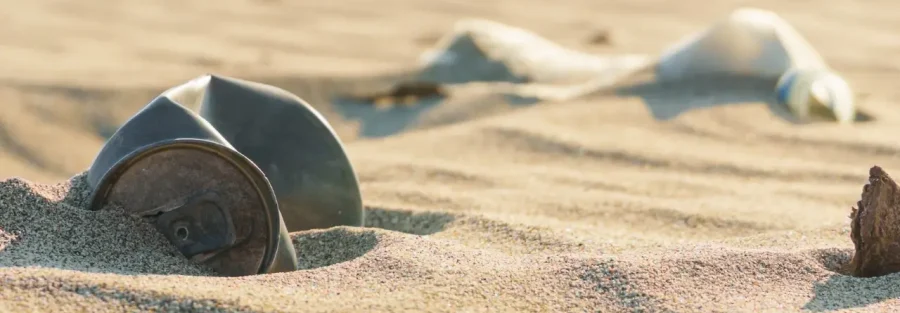
Dropping a plastic bottle on the pavement may seem like a small act. Leaving a rubbish bag beside a bin instead of inside it may only save a few seconds. Throwing a cigarette butt from a car window might not even feel like littering to some people.
In Bahrain, however, these actions can quickly become expensive. Under the Kingdom’s Public Cleanliness Law, many littering and waste disposal offences carry fines ranging from BHD 50 to BHD 300, while more serious violations can result in even higher penalties, court action, or additional cleanup costs.
Recent figures have shown just how seriously Bahrain is taking public cleanliness. Between January 2024 and January 2025, authorities recorded hundreds of cleanliness violations, and the enforcement of the law generated more than BHD 100,000 in collected fines from cleanliness and related municipal offences.
The numbers naturally raise an interesting question. Is Bahrain earning money from littering, or is the real goal something much bigger?
Why Bahrain Introduced Strict Cleanliness Laws
Like many fast-growing countries, Bahrain faces increasing pressure to keep its streets, beaches, parks, and public spaces clean. As cities expand and populations grow, waste management becomes more challenging and more expensive.
To address this, Bahrain introduced Law No. 10 of 2019 on Public Cleanliness, creating one of the Gulf region’s stricter legal frameworks for protecting public spaces. The law covers much more than simply throwing rubbish on the ground. It regulates illegal dumping, burning waste, abandoning vehicles, improper waste storage, and several other activities that can damage public health or the environment.
Rather than relying only on awareness campaigns, Bahrain chose to combine education with financial penalties, making cleanliness everyone’s responsibility.
What Do the Numbers Tell Us?
The latest enforcement figures demonstrate that the law is actively being applied.
| Indicator | Latest Figure |
| Recorded cleanliness violations | 766 |
| Total municipal and related violations | 900+ |
| Fines collected | More than BHD 100,000 |
| Reporting period | January 2024 to January 2025 |
| Standard littering fines | BHD 50 to BHD 300 |
Source: Northern Municipality and Bahrain municipal authorities.
These figures show that littering is no longer treated as a minor inconvenience. It has become a legal offence with real financial consequences.
What Can You Actually Be Fined For?
Many residents are surprised to discover that Bahrain’s cleanliness law covers a wide range of everyday behaviour.
Examples include:
- Throwing rubbish in streets or public areas.
- Disposing of cigarette butts outside designated bins.
- Leaving household waste outside approved collection points.
- Burning waste in residential areas.
- Dumping construction debris illegally.
- Abandoning damaged or scrap vehicles in public places.
Depending on the violation, offenders may face fines, removal costs, and in repeat cases, stronger legal action.
Is Bahrain Really Making Money From Littering?
At first glance, collecting more than BHD 100,000 in fines sounds like a significant source of income. However, the bigger picture tells a different story.
Keeping cities clean requires substantial public spending. Municipal authorities must operate waste collection fleets, clean roads, maintain beaches, empty thousands of public bins, remove illegal dumping, and run awareness campaigns throughout the year. Bahrain also continues investing in recycling initiatives and improved waste management infrastructure.
In reality, fines are intended less as a revenue stream and more as a deterrent. The objective is not to collect more money each year, but to encourage fewer violations over time.
Clean Cities Also Support the Economy
There is another reason Bahrain places such importance on cleanliness.
A clean urban environment benefits tourism, public health, and investment. Visitors are more likely to return to destinations that appear well maintained, while businesses often prefer locations with high environmental standards.
Cleaner streets also reduce maintenance costs over the long term and improve the quality of life for residents. In that sense, every piece of litter prevented saves more than the value of the fine itself.
The financial penalties therefore serve a wider purpose by protecting both the environment and Bahrain’s image as a modern, well-managed country.
What This Means for Residents and Visitors
Whether you are a resident, business owner, or tourist, Bahrain’s message is becoming increasingly clear. Public spaces belong to everyone, and everyone shares responsibility for keeping them clean.
Simple habits such as using the correct waste bins, following disposal rules, and avoiding littering help prevent unnecessary fines while contributing to cleaner communities.
As enforcement continues, awareness is likely to become just as important as the penalties themselves.
Final Thoughts
The headline may suggest that Bahrain earns more than BHD 100,000 from cleanliness fines, but the real story is not about revenue. It is about creating cleaner streets, healthier neighbourhoods, and public spaces that people can enjoy with pride.
The Public Cleanliness Law shows that Bahrain is treating environmental responsibility as a national priority rather than an afterthought. Every fine issued sends the same message: keeping the Kingdom clean is not simply good manners. It is the law.