

Bahrain is not dominating headlines.
It isn’t launching the biggest project, the tallest tower, or the boldest tourism slogan.
And yet, more people are talking about it.
Not in press releases – but in conversations.
Not as a “must-see once” destination – but as a place they’d go back to.
In a region defined by scale and spectacle, Bahrain is doing something quietly radical: it’s growing tourism by feeling human.
A Region Full of Noise – And One Country Choosing Calm
The Middle East tourism landscape has never been more competitive. Every destination is promising the future, selling ambition, and designing experiences meant to impress the global traveler.
But travel habits have changed.
People are more tired than before. More cautious. More intentional. They don’t just want to see something impressive – they want to feel comfortable.
That’s where Bahrain enters the conversation.
It doesn’t overwhelm. It doesn’t perform. It doesn’t ask visitors to adapt to it. Instead, it meets them where they are.
The Advantage of Being Fully Formed
One thing stands out when you look closely at Bahrain: it doesn’t feel under construction.
Cities like Manama feel complete. Offices, homes, cafés, mosques, markets, and cultural spaces exist side by side – not as zones, but as part of everyday life.
This matters more than it sounds.
Travelers increasingly notice when a destination feels “designed” versus when it feels lived in. Bahrain belongs firmly in the second category.
There’s history here. Routine. Familiarity. And for visitors, that translates into ease.
Ease Is Underrated – Until You Experience It
Bahrain’s size is often mentioned as a limitation. In reality, it’s one of its strongest assets.
You can land, check into your hotel, and be sitting at a café or walking along the waterfront in less time than it takes to cross a large city elsewhere in the region.
No long drives. No complex logistics. No pressure to “do it all.”
That simplicity changes how people experience the country. Travel becomes relaxed instead of rushed. Plans become flexible instead of rigid.
For weekend travelers, regional visitors, families, and business guests, that ease becomes memorable.
Culture That Doesn’t Ask for Attention
Bahrain’s cultural strength lies in the fact that it doesn’t announce itself loudly.
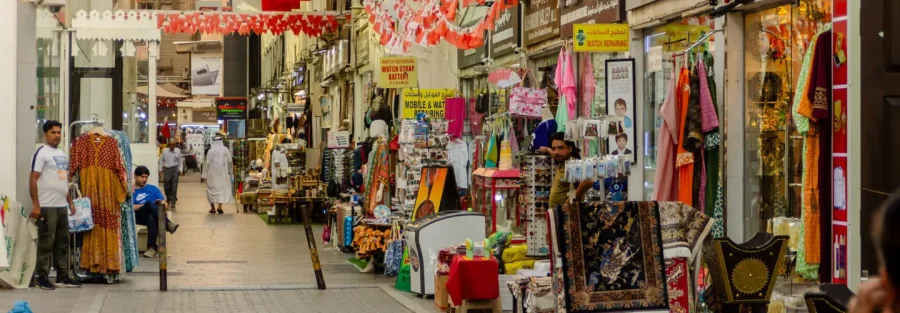
Spend time around Bab Al Bahrain, and you’ll notice how naturally life flows – traders, conversations, coffee cups, small rituals of daily movement.
Visit Qal’at al-Bahrain, and the history feels heavy in the best way – not curated for photos, but preserved with respect.
The country’s pearling past, trading routes, and cultural diversity aren’t packaged as attractions. They’re embedded in how Bahrain functions.
For travelers who want meaning without explanation boards, this kind of authenticity is rare.
Food as a Social Language
If there’s one thing visitors consistently talk about after leaving Bahrain, it’s food.
Not because it’s extravagant – but because it’s personal.
Meals feel social. Cafés feel lived in. Restaurants feel like places people actually return to, not concepts created for footfall.
Bahraini cuisine blends with Persian, Indian, and global influences in a way that feels organic rather than trendy. You eat where locals eat. You sit where conversations happen.
Evenings stretch late. Coffee turns into dinner. Dinner turns into long discussions.
Tourism here isn’t just sightseeing – it’s participation.
Events That Feel Integrated, Not Imposed
Global events matter, and Bahrain has them – from international conferences to the Bahrain Grand Prix.
But what’s interesting is how these events blend into daily life instead of overtaking it.
During major weekends, the country feels energized, not disrupted. Locals participate. Visitors feel included rather than cordoned off.
That integration is subtle – but it leaves a strong impression.
The Rise of the “I’ll Stay One More Day” Visitor
One of the clearest signs of Bahrain’s tourism strength is what happens to business travelers.
People arrive for meetings and stay longer. Conferences turn into extended weekends. Work trips quietly become personal experiences.
Bahrain doesn’t demand extra effort to explore. It invites curiosity.
This is the kind of tourism growth that doesn’t rely on advertising – it relies on memory.
Why This Moment Matters for Bahrain
Bahrain’s current tourism success isn’t just good timing. It reflects a deeper shift in what people want from travel:
- Less performance, more presence
- Less spectacle, more connection
- Less planning, more flow
While some destinations are recalibrating expectations and managing scale, Bahrain is benefiting from something simpler – being ready now.
Growth Without Losing Ground
Perhaps the most important part of Bahrain’s story is restraint.
Tourism has grown without overwhelming communities. Visitors feel welcomed, and residents don’t feel displaced. The country still feels like it belongs to the people who live there.
That balance is fragile – and valuable.
A Different Definition of Success
Bahrain’s tourism story in 2025 isn’t about record numbers or viral headlines.
It’s about repeat visitors. Word-of-mouth recommendations. Quiet confidence.
In a region chasing the future, Bahrain is reminding us that presence, identity, and comfort still matter.
And sometimes, the places that don’t shout are the ones people remember the longest.