
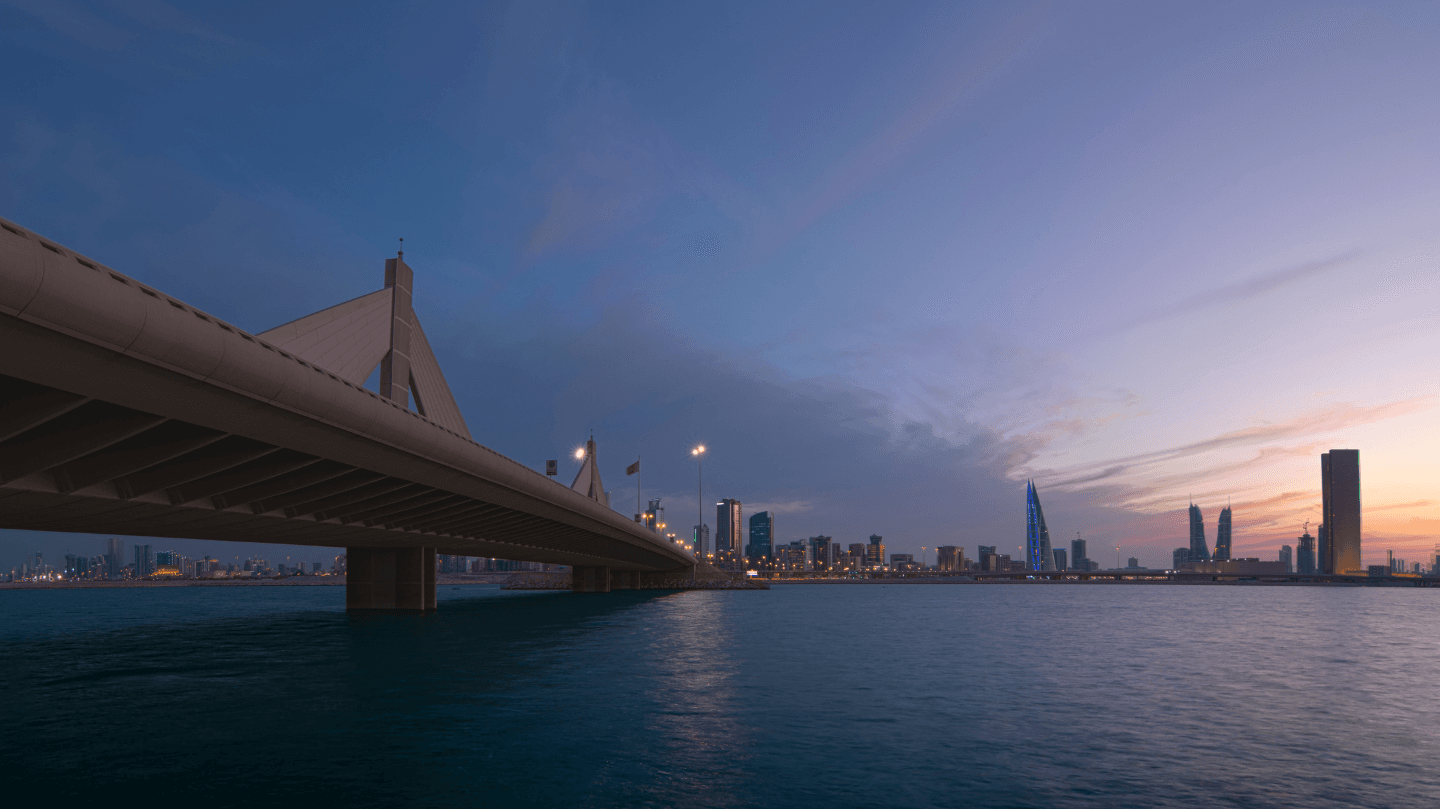
In a Gulf region increasingly associated with modern skylines, ambitious infrastructure and global business hubs, Bahrain offers a different kind of story. Its significance is not defined only by what is being built today, but also by what has been preserved from thousands of years of history.
For centuries, Bahrain has been a meeting point for traders, communities and cultures. Its location in the Gulf placed it along important maritime and commercial routes, allowing ideas, goods and traditions to move through the island. That history continues to shape Bahrain’s cultural identity and gives the Kingdom a distinctive place on the Gulf’s cultural map.
A Heritage That Goes Beyond History
Bahrain is home to three UNESCO World Heritage properties: Qal’at al-Bahrain, Pearling, Testimony of an Island Economy, and the Dilmun Burial Mounds. This makes the Kingdom’s cultural heritage particularly significant for a country of its size.
Qal’at al-Bahrain, for example, is more than an ancient fort. UNESCO describes the site as an archaeological tell measuring approximately 300 by 600 metres, with evidence of continuous human presence from around 2300 BC to the 16th century AD. The site reflects Bahrain’s historical importance as a trading port and as the capital of the ancient Dilmun civilization.
This history tells us something important about Bahrain. Its cultural relevance did not emerge recently. It developed through centuries of interaction between different communities and through the island’s position within wider regional and international trade networks.
The Story of Pearls and the People Behind Them
Few elements of Bahrain’s identity are as closely connected to its past as pearl diving.
For generations, pearl harvesting shaped Bahrain’s economy and communities. UNESCO’s Pearling, Testimony of an Island Economy recognises the relationship between the traditional pearl industry, the sea and the development of Muharraq. The heritage site preserves buildings and urban spaces connected to the merchants and communities whose lives were shaped by the pearl trade.
The story is particularly valuable because it is not simply a story about an industry. It is a story about people.
Pearl diving demanded physical endurance, specialised knowledge and strong community relationships. Merchants, divers, boat builders and families were all connected to the same economic ecosystem. Preserving this heritage therefore means preserving an understanding of how generations of Bahrainis lived and worked.
For modern businesses, there is also a broader lesson here. Economic activity is rarely separate from society. Industries create communities, traditions and identities that can remain influential long after the original economic model has changed.
Thousands of Mounds, Thousands of Stories
Another remarkable part of Bahrain’s heritage is found in its Dilmun Burial Mounds.
The UNESCO-listed property consists of 21 archaeological sites containing approximately 11,774 burial mounds. Dating largely to the Early Dilmun period, these sites provide evidence of a civilization that flourished in Bahrain thousands of years ago. UNESCO notes that the burial mounds reflect different aspects of Dilmun society, including social structures and differences in status.
The scale is striking, but perhaps more important is what these sites represent. They provide a window into a society whose influence extended beyond the island itself.
Bahrain’s ancient history therefore cannot be viewed in isolation. Its story forms part of the wider history of the Gulf, where maritime trade, migration and cultural exchange connected communities across the region.
Why Cultural Heritage Still Matters Today
Cultural heritage can sometimes be treated as something belonging exclusively to museums, archaeologists or tourists. In reality, it can have much wider importance.
For Bahrain, heritage contributes to national identity while also supporting tourism, cultural education and international recognition. The Kingdom’s official tourism platform highlights experiences ranging from ancient sites and traditional souqs to modern attractions, demonstrating how historical and contemporary Bahrain coexist within the same destination.
This creates opportunities for businesses as well. A strong cultural identity can influence tourism, hospitality, retail, creative industries and investment. It can also help organisations understand the communities and markets in which they operate.
For companies working across the Gulf, this cultural awareness is increasingly valuable. Successful engagement is not only about understanding regulations, markets or consumer behaviour. It is also about understanding the history and values that influence how people see their communities and their future.
Preserving the Past While Building the Future
Bahrain’s challenge, like that of many rapidly developing economies, is to balance modernisation with preservation.
Urban development, technology and changing lifestyles are transforming the Gulf at remarkable speed. At the same time, historic neighbourhoods, archaeological sites and traditional practices provide a sense of continuity.
The answer is not to choose between the past and the future. Bahrain’s experience suggests that both can exist together.
Its heritage sites demonstrate that cultural preservation can be part of a modern national identity rather than an obstacle to development. Effective conservation, responsible tourism, community involvement and thoughtful urban planning can help ensure that economic progress does not come at the cost of cultural character.
Bahrain’s Place on the Gulf’s Cultural Map
Bahrain may be one of the Gulf’s smaller countries, but its cultural footprint is considerably larger than its geography suggests.
From the ancient Dilmun civilization and its thousands of burial mounds to the legacy of pearling and the historic trading role of Qal’at al-Bahrain, the Kingdom offers a story of connection. It is a story shaped by the sea, commerce, communities and the movement of people and ideas.
That is ultimately why Bahrain still matters on the Gulf’s cultural map.
Its value lies not only in preserving what once was, but in showing how history can continue to influence identity, tourism, business and development. As the Gulf looks toward an increasingly interconnected future, Bahrain’s cultural heritage remains a reminder that progress is strongest when it understands where it came from.