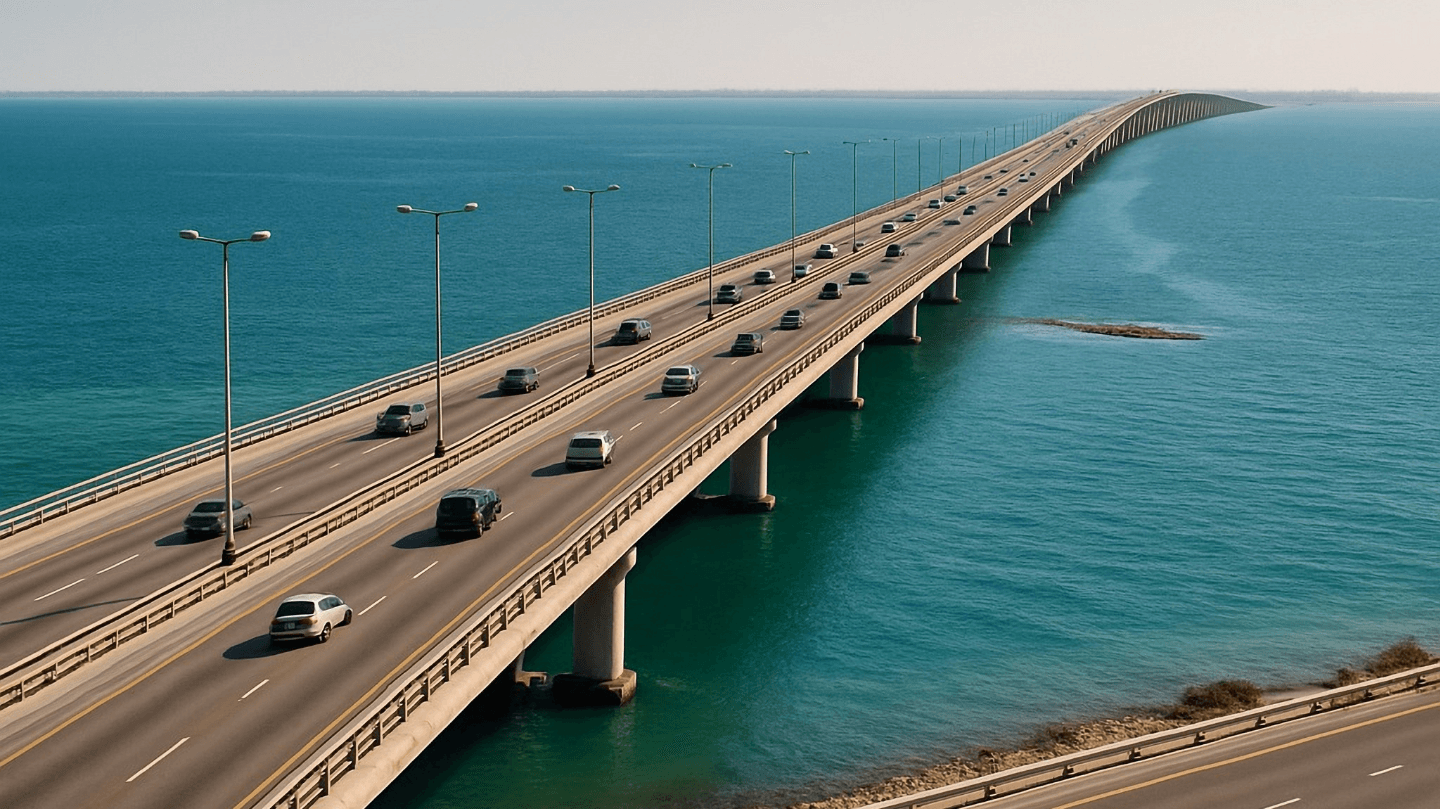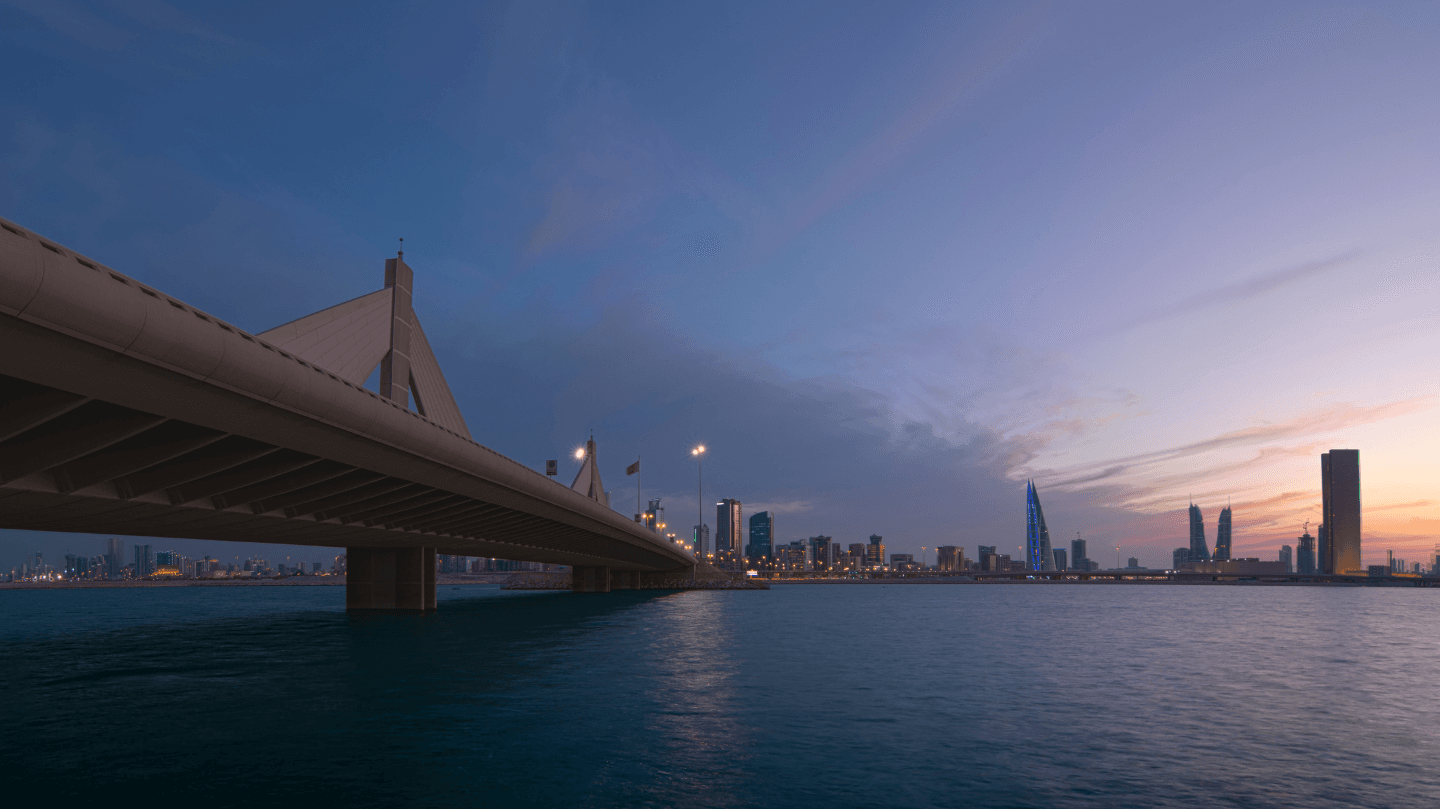
Aluminium Bahrain didn't just build the largest single-site smelter outside China. It built its own electricity supply to run it, because the metal turned out to be the easy part.
Aluminium Bahrain, known as Alba, has been quietly turning alumina into metal on Bahrain's coast since 1971. Over five decades and several expansions, most recently the Line 6 project completed in 2019, it grew into the largest single-site aluminium smelter outside China, with a current capacity of more than 1.6 million tonnes a year. It's dual-listed on the Bahrain Bourse and the London Stock Exchange, majority owned by the sovereign fund Mumtalakat alongside Saudi Arabia's Ma'aden, and it exports premium-grade metal to customers across the world.
None of that is the interesting part. The interesting part is what it costs to run.
Why aluminium is basically frozen electricity
Unlike steel, which is mostly forged with heat, aluminium is pulled out of its ore with electricity. Raw alumina is dissolved in a molten bath and hit with a continuous, enormous electrical current strong enough to rip the oxygen away from the aluminium atoms, a process called electrolysis. It's slow, it never stops, and it needs power around the clock, every day of the year. Industry figures from producers like Alcoa put the best modern smelters at around 13 kilowatt-hours of electricity for every kilogram of aluminium produced, with a worldwide average closer to 15. That number barely moves whether the smelter sits in Iceland, Canada, or the Gulf. Aluminium, in a very real sense, is just electricity that's been frozen into a shape you can hold.
Doing the maths on one company's power bill
Apply that industry-standard range to Alba's own production capacity of roughly 1.6 million tonnes a year, and the smelting process alone could plausibly consume somewhere between 21 and 24 billion kilowatt-hours annually. That's an estimate built from public energy-intensity benchmarks, not a number Alba itself publishes, so treat it as a reasonable range rather than a precise bill. But even at the low end, compare it to Bahrain's entire national electricity consumption, reported at 35.09 billion kilowatt-hours in 2023, and the arithmetic gets uncomfortable fast. One factory's raw appetite for power could rival somewhere between six and seven out of every ten kilowatt-hours the whole country uses in an average year.
So Alba built its own country's worth of power
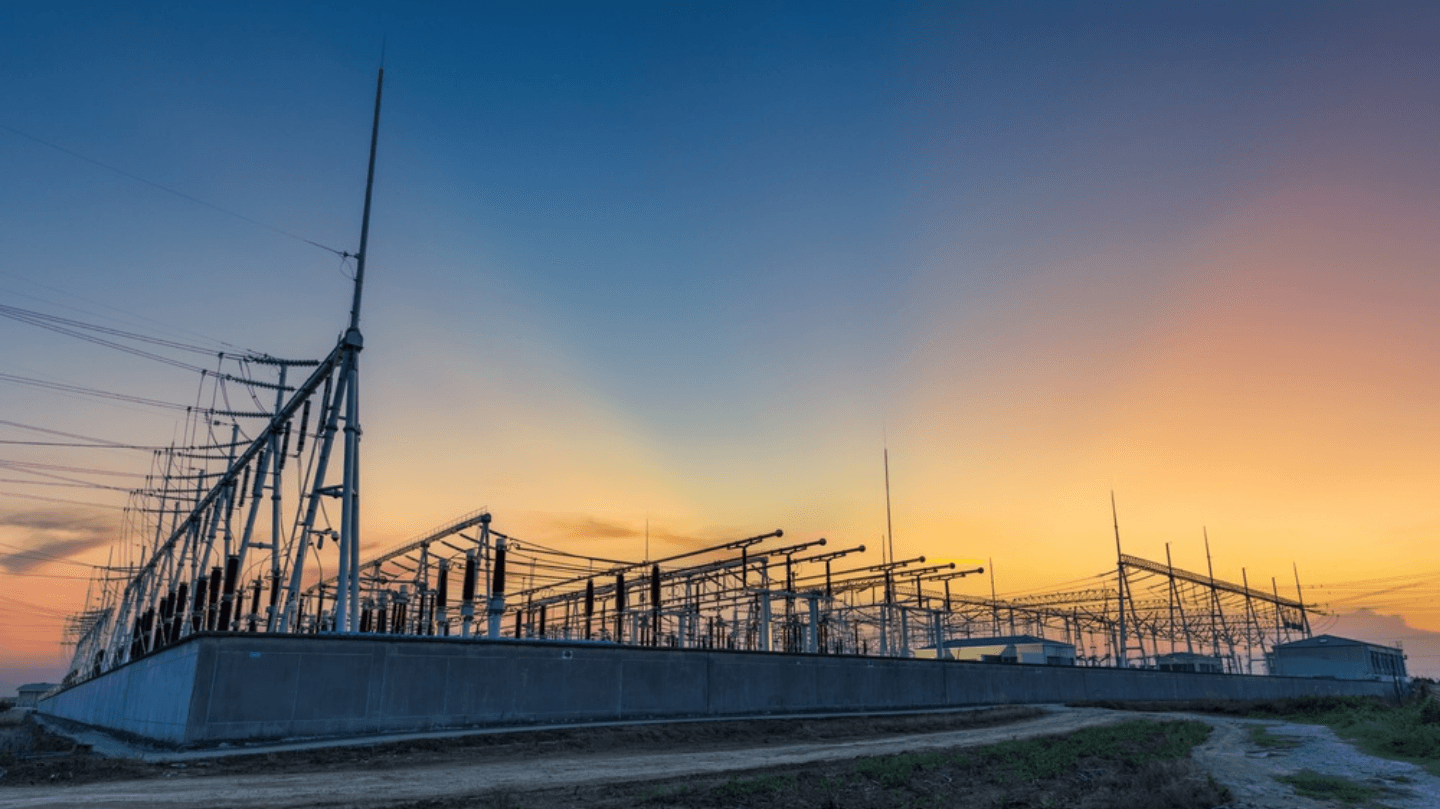
Faced with that kind of appetite, Alba didn't simply plug into the national grid and hope for the best. It built and operates five of its own power stations, running on Bahraini natural gas, including turbines supplied by General Electric. In effect, one manufacturing company became a utility in its own right, not as a side business, but because it had no other way to guarantee the one input its entire product depends on.
What one furnace teaches every business that thinks it just makes things
The lesson sitting inside Alba's power stations has nothing to do with metal. Every company assumes it knows what business it's actually in, until the thing it can't live without turns out to be the one nobody thought to secure. Alba makes aluminium, but the business it's actually mastered is guaranteeing its own electricity, because the day that supply became uncertain, the metal stopped mattering. Most companies never find out what their equivalent is until the supply runs short. Alba found out early, and built its own country's worth of power rather than wait to see what happened if it didn't.