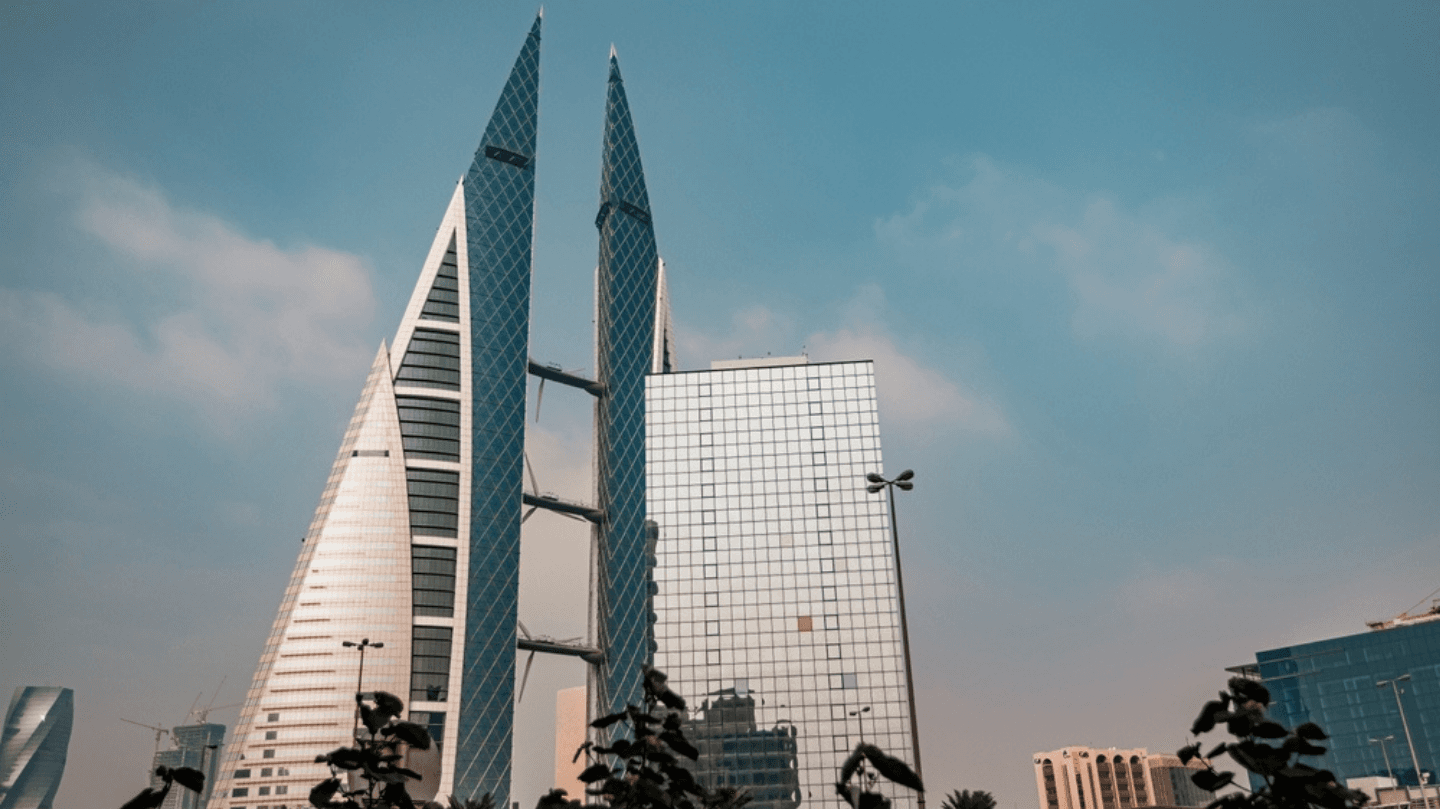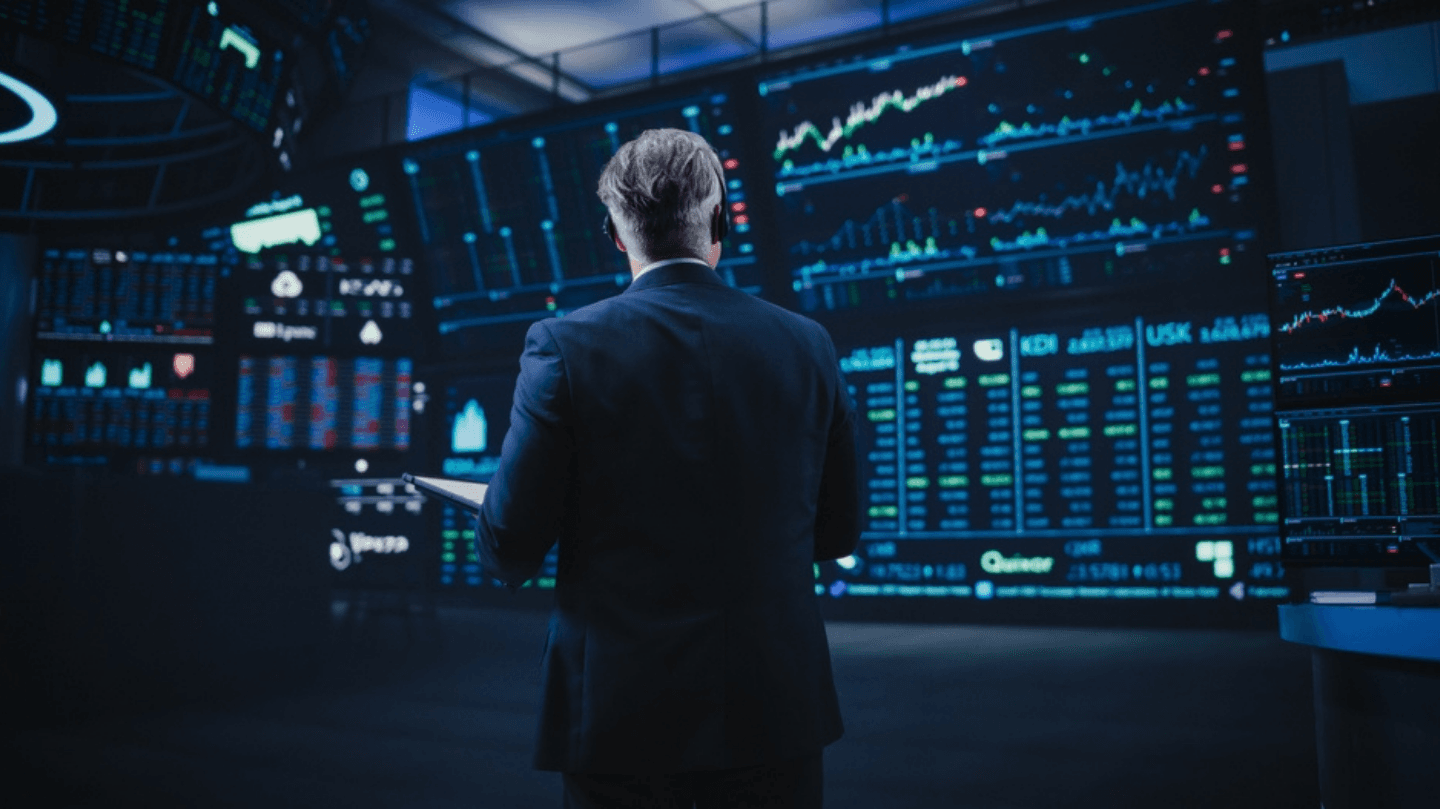
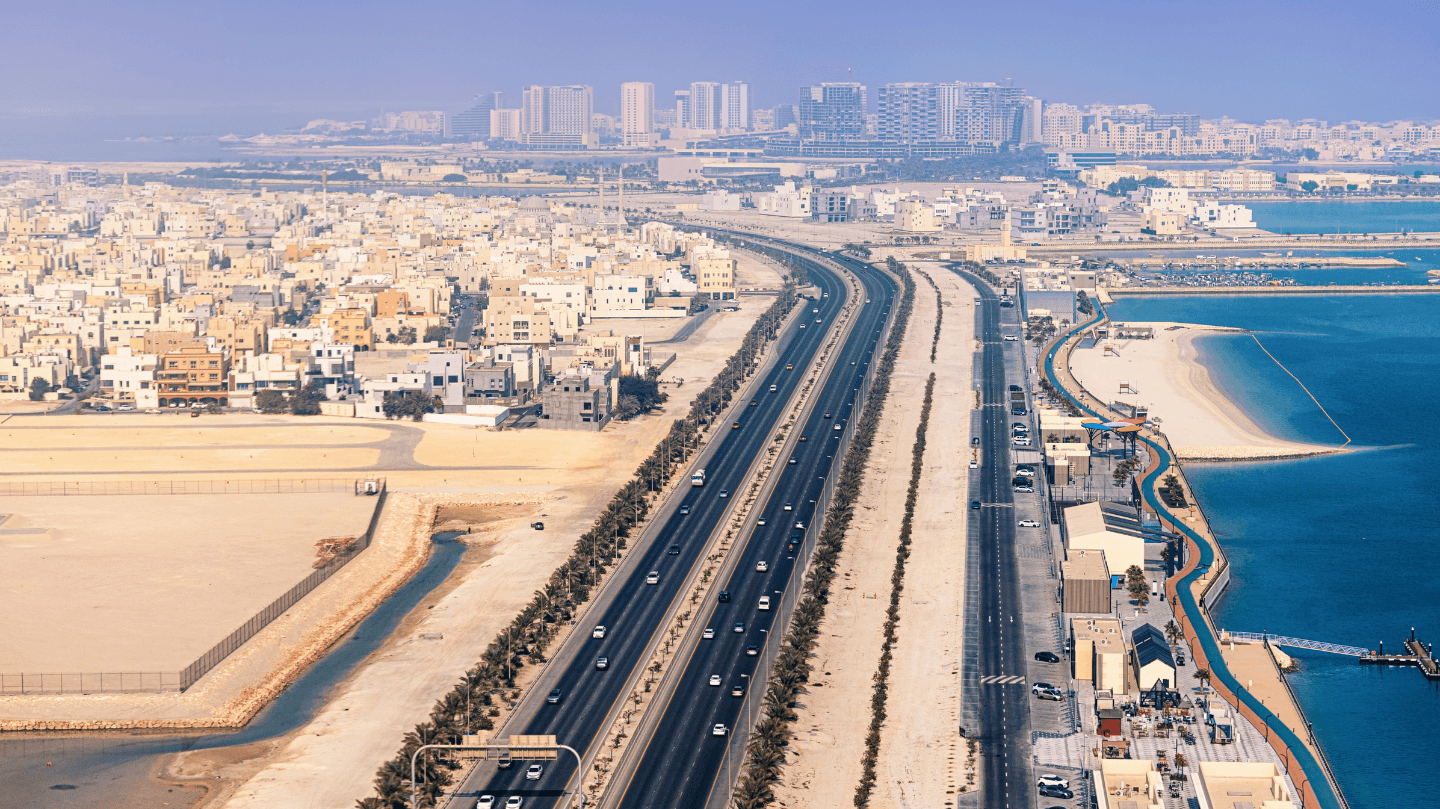
Modernisation is often measured through new roads, rising skylines, advanced technology, and expanding business opportunities. Across Bahrain, development continues to reshape how people live, work, travel, and invest. New infrastructure and economic activity create opportunities, but they also raise an important question: as a country moves forward, what must it work to preserve?
Progress is necessary for economic growth and a better quality of life. However, its success cannot be measured by new buildings or investment figures alone. It must also consider the communities affected by change, the environment under pressure, and the cultural identity that gives a place its character.
For Bahrain, the challenge is not to choose between modernisation and preservation. It is to ensure that both can move forward together.
Beyond Buildings: Understanding the Real Cost of Development
Urban development can bring significant benefits. Better roads, modern facilities, improved public services, and new commercial spaces can attract investment, support employment, and make everyday life more convenient.
Bahrain's Economic Vision 2030 places sustainability, competitiveness, and fairness at the centre of its development ambitions. The framework recognises that economic progress should contribute to people's quality of life while protecting the country's long-term interests.
The scale of development is visible in the construction sector. According to Bahrain's Ministry of Municipalities Affairs and Agriculture, approximately 6,550 building permits were issued in 2024, including around 1,780 through the Benayat electronic building-permit system.
These figures reflect ongoing development and efforts to make construction procedures more efficient. Yet every development project also presents choices about land use, infrastructure capacity, environmental impact, and the needs of nearby communities.
The real measure of progress is therefore not simply how much a country builds, but how effectively that development serves people over time.
When Heritage Becomes a Casualty of Change
A country's identity is shaped by more than its skyline. It lives in historic neighbourhoods, traditional architecture, local markets, family businesses, and the stories passed between generations.
Bahrain's pearling heritage offers a powerful example. For centuries, the pearling industry supported livelihoods and connected the island to regional and international trade. Its legacy remains part of Bahrain's cultural identity, even as the economy has diversified and modern lifestyles have transformed the country.
Modernisation can place this heritage under pressure when older buildings are neglected, traditional businesses struggle to compete, or historic areas lose their original character. When these places disappear, communities lose more than physical structures. They lose connections to their past and spaces that help define their shared identity.
Preservation, however, does not require cities to remain unchanged. Historic areas can be restored, traditional buildings can find new uses, and cultural experiences can support tourism and local enterprise.
When managed thoughtfully, heritage becomes an asset that contributes to economic activity while retaining its cultural meaning.
The Environmental Cost of a Growing Economy
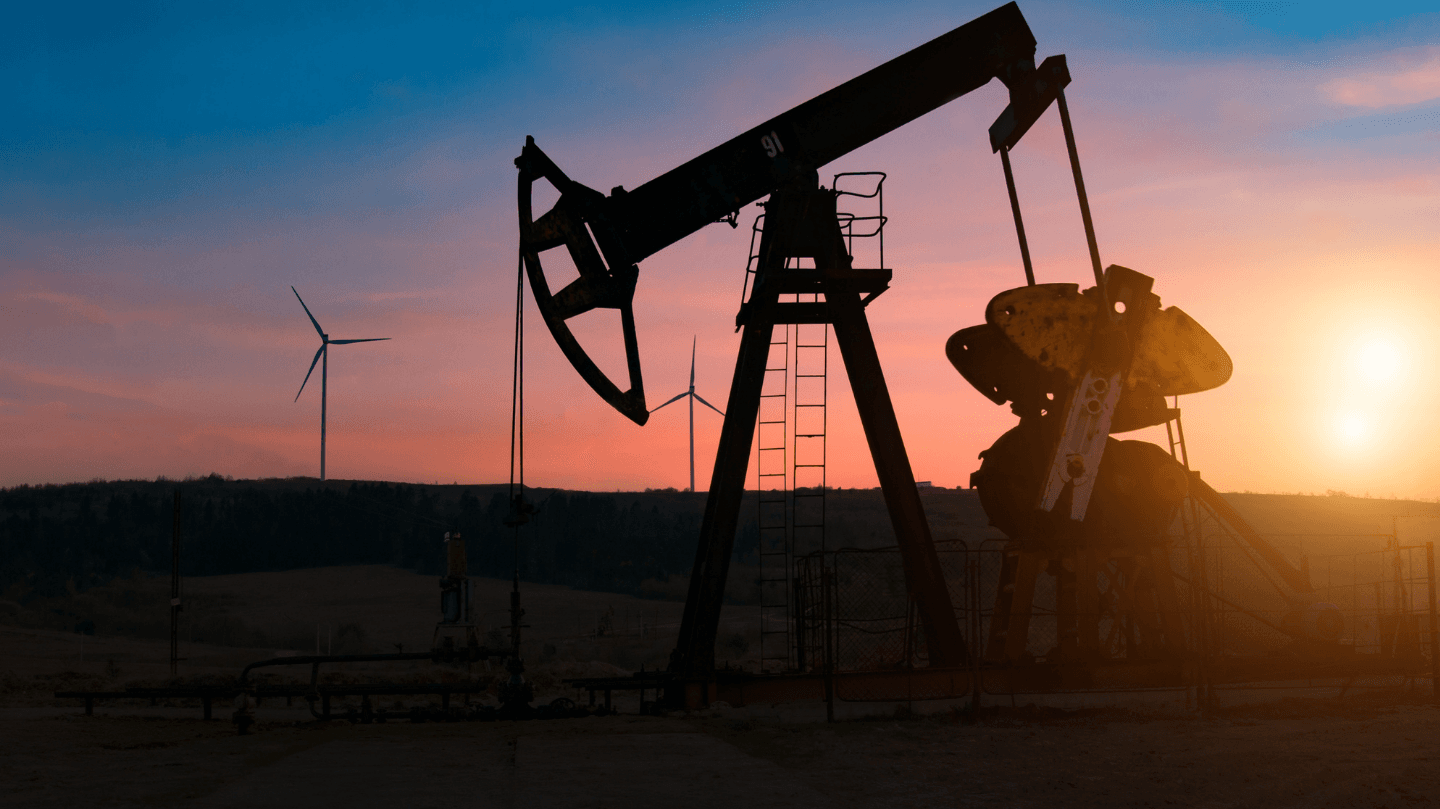
Development also places demands on natural resources. Construction, transport, energy consumption, and expanding urban areas can increase pressure on land, coastal ecosystems, and public infrastructure.
For an island nation such as Bahrain, environmental considerations are especially important. Coastal areas are part of the country's natural character and economic life, while green spaces and accessible public areas contribute to residents' wellbeing.
The challenge is to balance new development with responsible land use, efficient resource consumption, and environmental protection. This means considering the long-term effects of projects before construction begins, rather than treating environmental concerns as an afterthought.
Businesses have a role to play as well. Energy efficiency, responsible procurement, waste reduction, and transparent environmental reporting can help organisations manage their impact while identifying opportunities to reduce costs.
Sustainability is not simply about meeting environmental expectations. It is about protecting the resources and conditions that future economic activity will depend upon.
The Human Side of Modernisation
Perhaps the most overlooked cost of progress is its effect on everyday life.
New commercial districts may create employment, but changing property values and business costs can place pressure on smaller enterprises. Redevelopment can improve neighbourhoods while also changing familiar community spaces. Digital services can make transactions faster, yet people who lack access to technology or the necessary skills may find themselves excluded.
These outcomes are not inevitable. They depend on how development is planned, communicated, and implemented.
Governments, developers, and businesses can reduce these risks by consulting local communities, supporting small enterprises, improving access to training, and ensuring that essential services remain accessible.
For businesses, this approach also makes practical sense. Communities that benefit from development are more likely to support it, while organisations that understand local needs can build stronger relationships with customers, employees, and partners.
Responsible modernisation recognises that people are not merely participants in economic growth. They are the reason that growth matters.
A Role for Businesses in Responsible Progress
Businesses can help ensure that development creates lasting value rather than short-term gains. This begins with decisions that consider financial performance alongside environmental, social, and governance responsibilities.
Before undertaking major investments or expansion projects, organisations can assess operational risks, resource requirements, regulatory obligations, and potential effects on stakeholders. Strong governance, effective internal controls, and clear accountability can help ensure that sustainability commitments translate into practical action.
Regular reviews can also help businesses identify inefficiencies, anticipate emerging risks, and improve decision-making. These measures are valuable not only for large corporations, but also for smaller organisations seeking to grow responsibly.
The objective is not to slow progress. It is to make progress more resilient, inclusive, and sustainable.
Conclusion: Progress That Preserves What Matters
Modernisation will continue to shape Bahrain's future, creating opportunities for businesses, residents, and investors. The important question is whether this transformation will preserve the qualities that make the country distinctive.
Economic growth and cultural heritage are not competing priorities. Environmental responsibility and commercial success do not have to work against each other. With thoughtful planning, transparent governance, and meaningful community engagement, development can support both prosperity and preservation.
Ultimately, progress should be measured not only by what a country builds, but also by what it protects, whom it includes, and what it leaves for future generations.
The greatest achievement of modernisation is not a city that looks entirely new. It is a country that moves forward without losing sight of what makes it worth moving forward for.