The oil age of the Arabian Gulf did not begin in Saudi Arabia or Kuwait. It began on a small island, at the foot of the Mountain of Smoke, and the island's reward was the region's smallest treasure. That turned out to be the making of it.
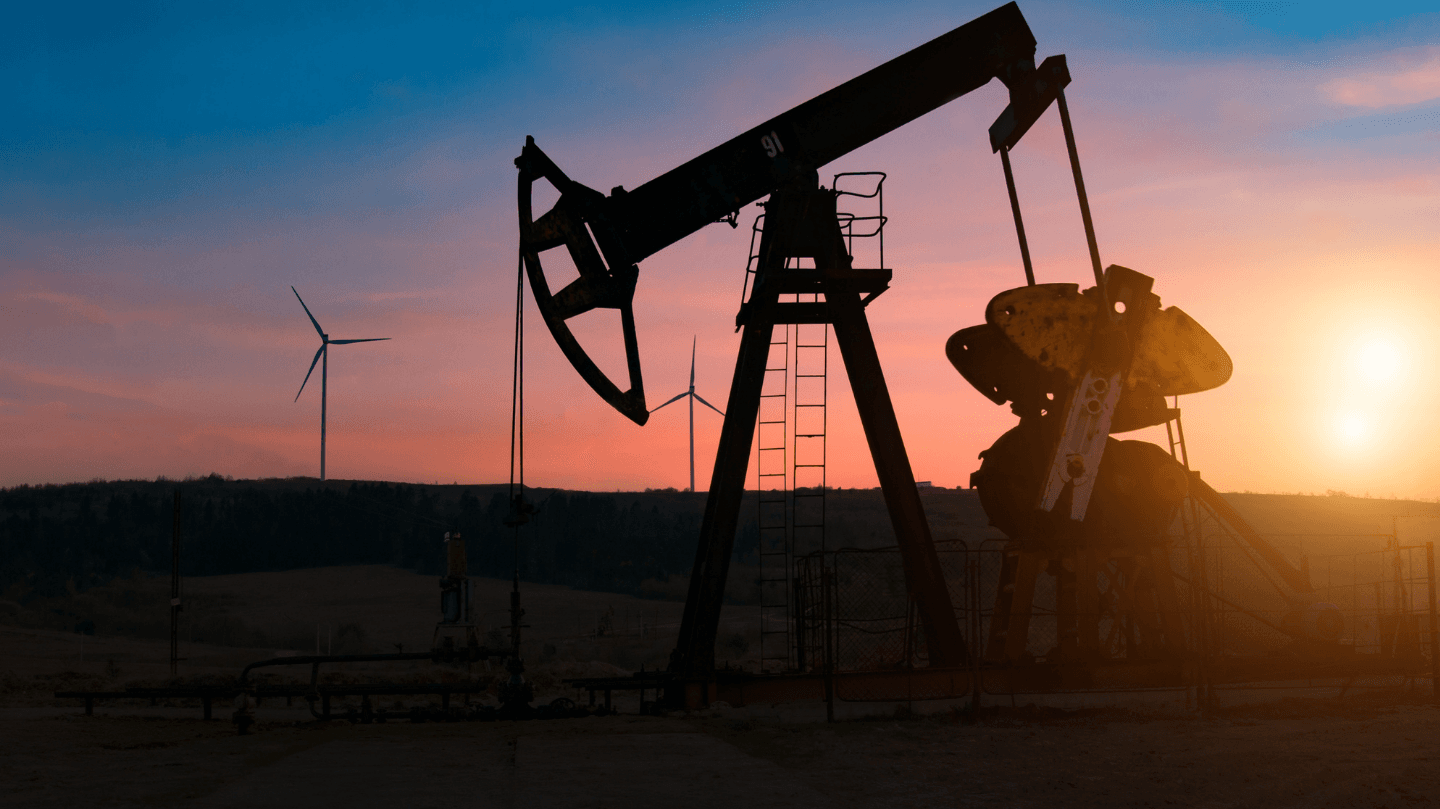
At the foot of Jabal Dukhan, the Mountain of Smoke, Bahrain's highest point, stands an old well that has been carefully preserved like a monument, because that is exactly what it is. This is Well Number One, and in June 1932 it began to flow with oil, the first ever discovered on the Arab side of the Gulf. Not in Saudi Arabia, which would wait until 1938. Not in Kuwait or Qatar. In Bahrain, a small island most famous at the time for its pearls.
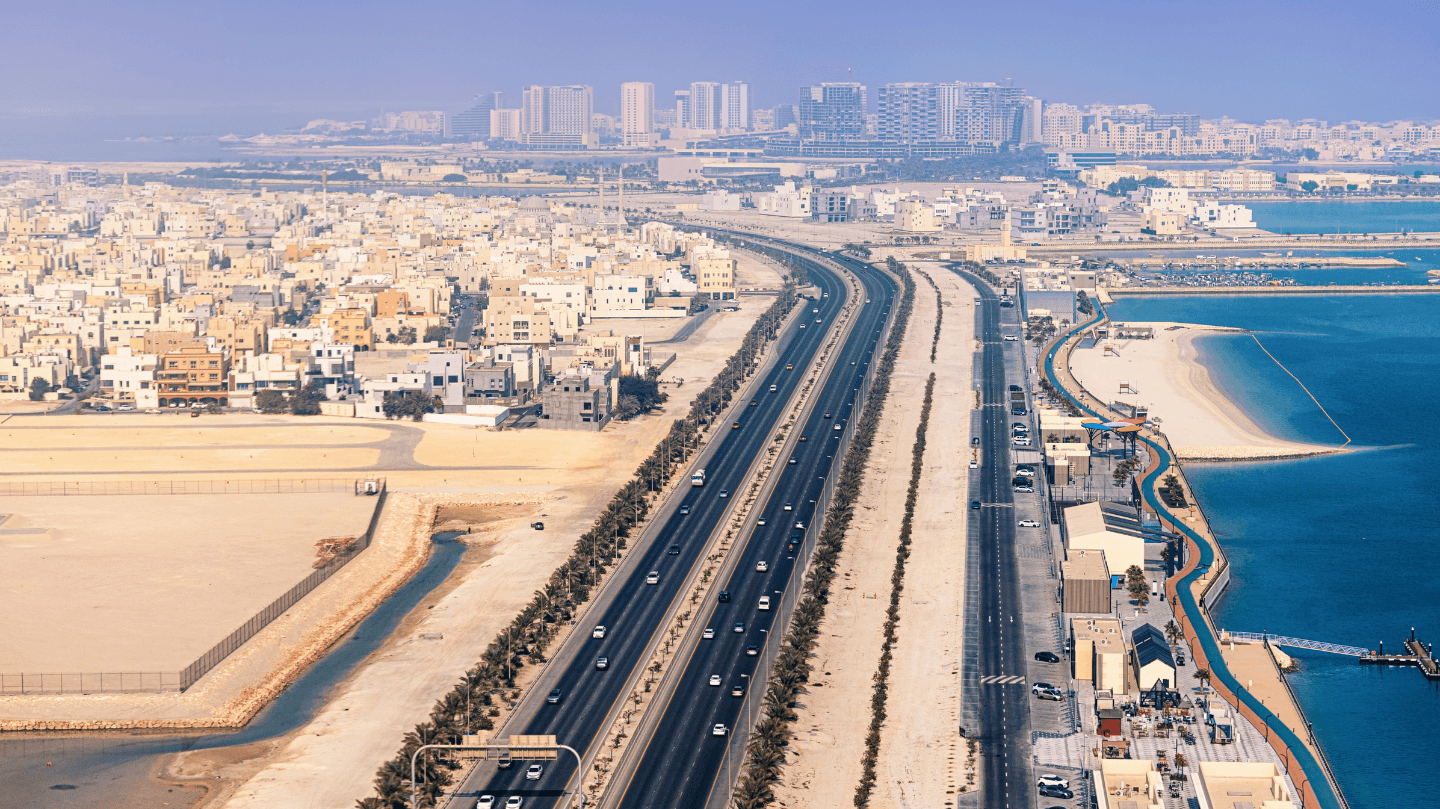
And the timing was almost poetic, because the pearls were dying. The world pearl market had just collapsed, taking with it the trade that had fed Bahraini families for centuries. One economy was ending in the island's waters exactly as another came roaring out of its ground. Bahrain has lived its whole modern life inside that pattern, and it is about to do it again.
A stubborn prospector and a mountain called Smoke
The discovery itself is a story of stubbornness. A New Zealand-born prospector named Major Frank Holmes became convinced after the First World War that there was oil under Bahrain, at a time when most experts thought the Arab side of the Gulf held nothing. The island's ruler granted him his concession in 1923 on a wonderfully practical condition: before drilling for oil, Holmes had to drill for fresh water first, which the island actually needed. He did both. The Bahrain Petroleum Company was formed, a site was marked near Jabal Dukhan, and after oil first showed itself late in 1931, the well began flowing properly on the second of June 1932. The Gulf's oil age had a birthplace.
The discovery that lit up the entire region
What happened next reached far beyond the island. By 1934, the first ever shipment of Gulf Arab crude left Bahrain for Japan. By the mid-1930s, Bahrain had built the region's first oil refinery. And the discovery did something even bigger: it proved the sceptics wrong about the whole peninsula, setting off the exploration that soon found oil in Saudi Arabia, Kuwait and Qatar. Every barrel the region has produced since traces its family tree, in a sense, back to that one well under the Mountain of Smoke. The modern Gulf, its skylines, its wealth, its place in the world, began at Well Number One.
The blessing hidden inside a small gift
Here is the twist that makes Bahrain's story different from all its neighbours. The island struck oil first, but its share was by far the smallest. While the discoveries next door turned out to be among the largest on Earth, Bahrain's reserves were always modest, so modest that it is one of the only Gulf states that never joined OPEC. For decades that looked like bad luck. In hindsight, it was a forty-year head start, because a country that knows its oil will run out does not get to postpone the hardest question in the Gulf: what comes after? Bahrain had to answer it first, while its neighbours could afford not to ask.
Rehearsing the future before anyone else
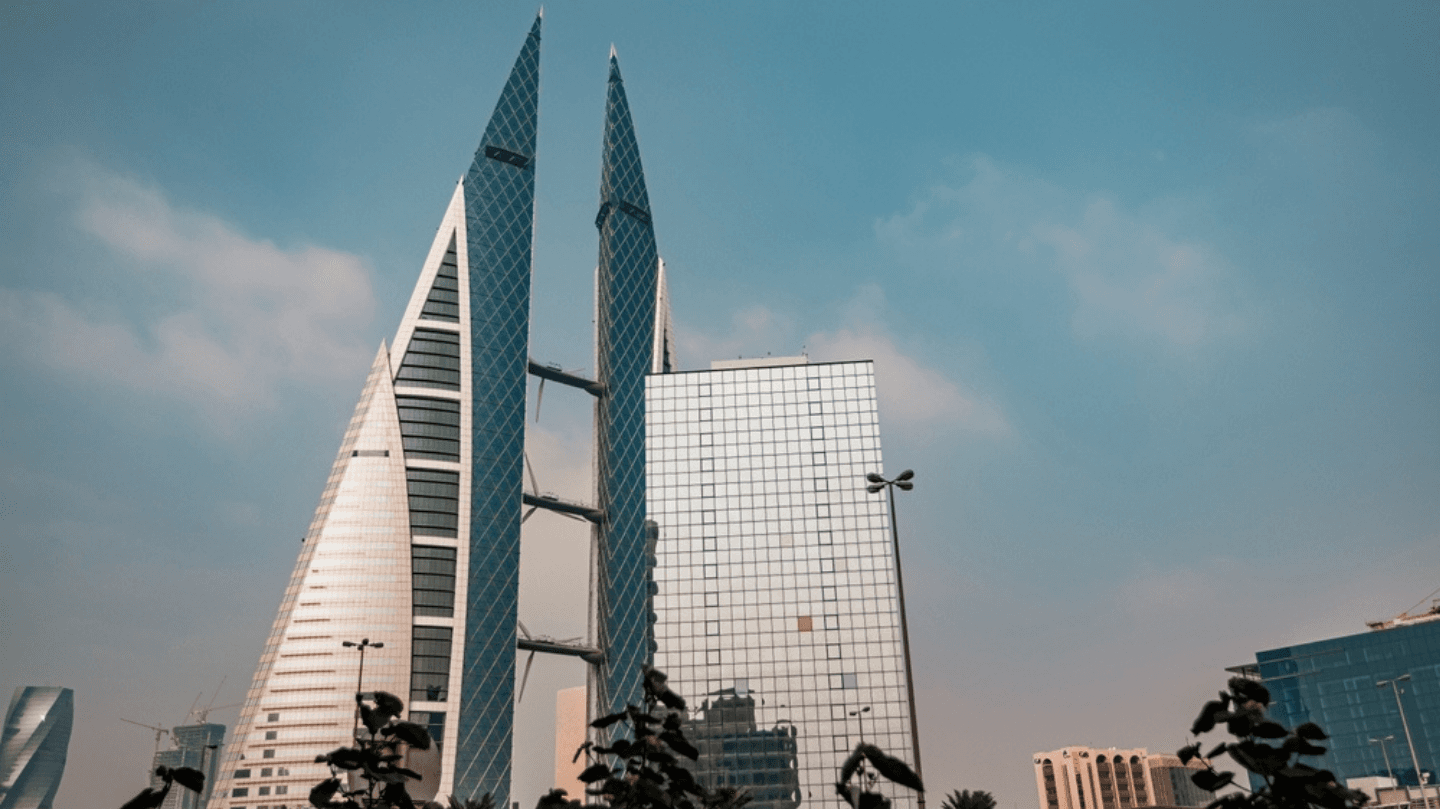
So Bahrain rehearsed. It had already learned, with the region's first refinery, that processing a resource pays better than just pumping it. From the 1970s it built itself into a banking and financial centre for the region, decades before diversification became the Gulf's favourite word. Insurance, asset management, and later fintech followed, and today finance stands at the heart of an economy where oil plays a supporting role rather than the lead. The island kept compounding quietly: Bahrain's Ministry of Finance noted recently that the economy has grown roughly fivefold over the past two decades. Not bad for the Gulf state with the least oil, and no accident either. It is simply what a forty-year head start looks like when it is actually used.
What a ninety-year-old well teaches
There is a lesson standing at the foot of that mountain, and it applies to every business as much as every country. Bahrain's defining advantage was never the oil. It was the early deadline. Knowing the income would end forced the island to build its next income while the current one still worked, which is the single hardest discipline in business, because the best time to build your second act is precisely when the first one is still paying and nobody feels the urgency. Most companies, like most countries, only diversify when the old revenue is already failing. Bahrain did it the hard way, early, and that is why the end of the pearl age and the shrinking of the oil age both failed to sink it.
The Gulf's oil story began in Bahrain in 1932. If the island keeps doing what it has done for ninety years, the Gulf's after-oil story may well be led from the same small place, by the country that has been practising the ending longer than anyone else has been enjoying the middle.